Featured article
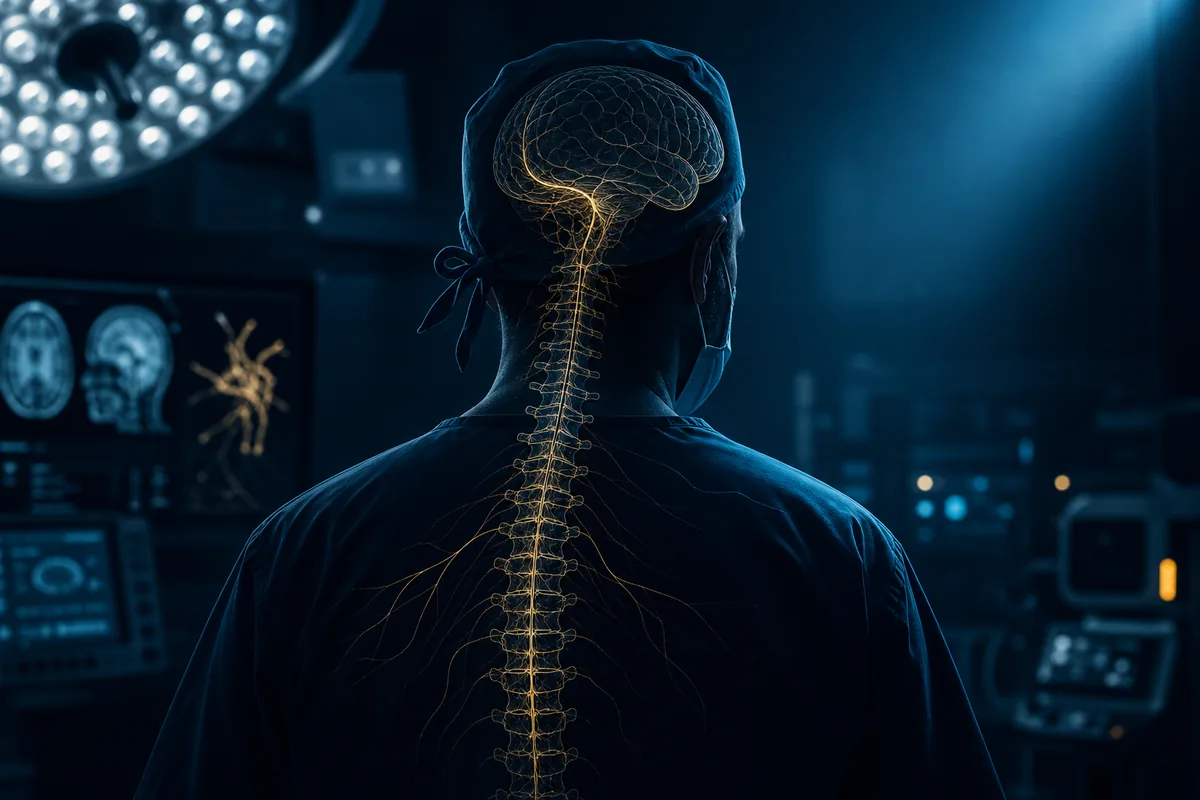
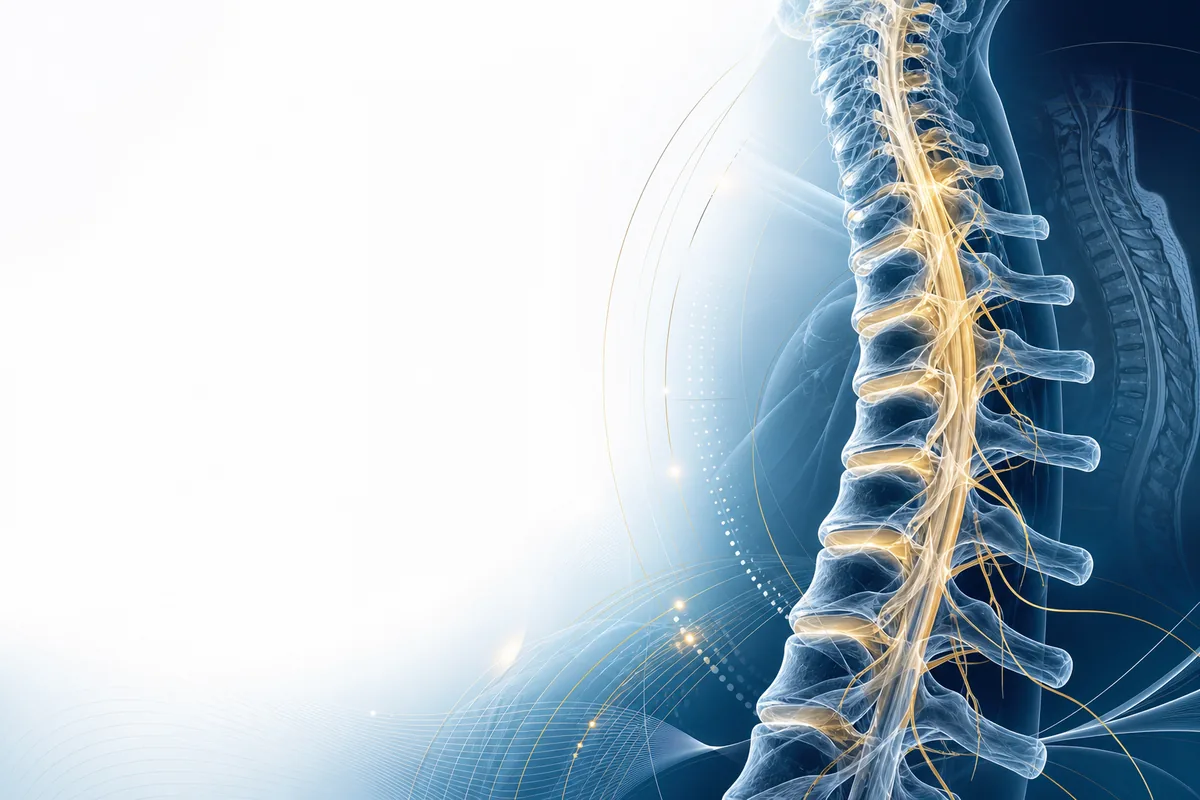
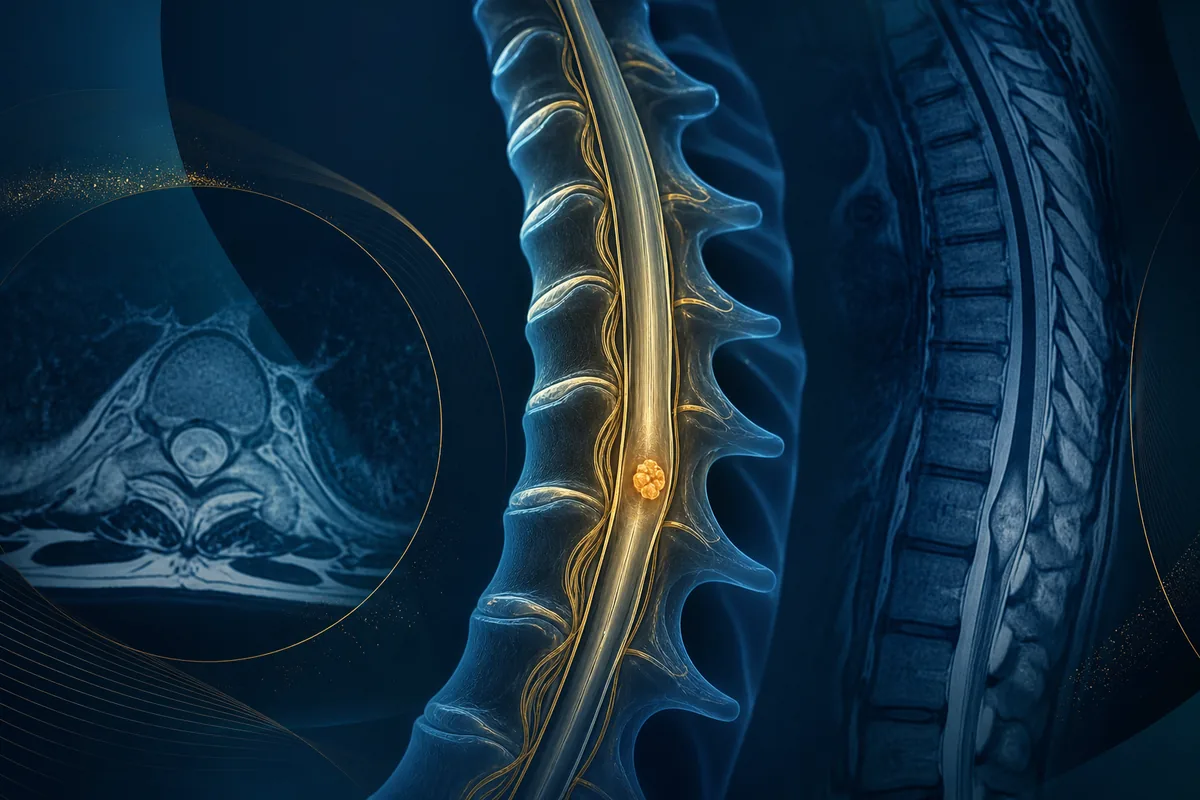
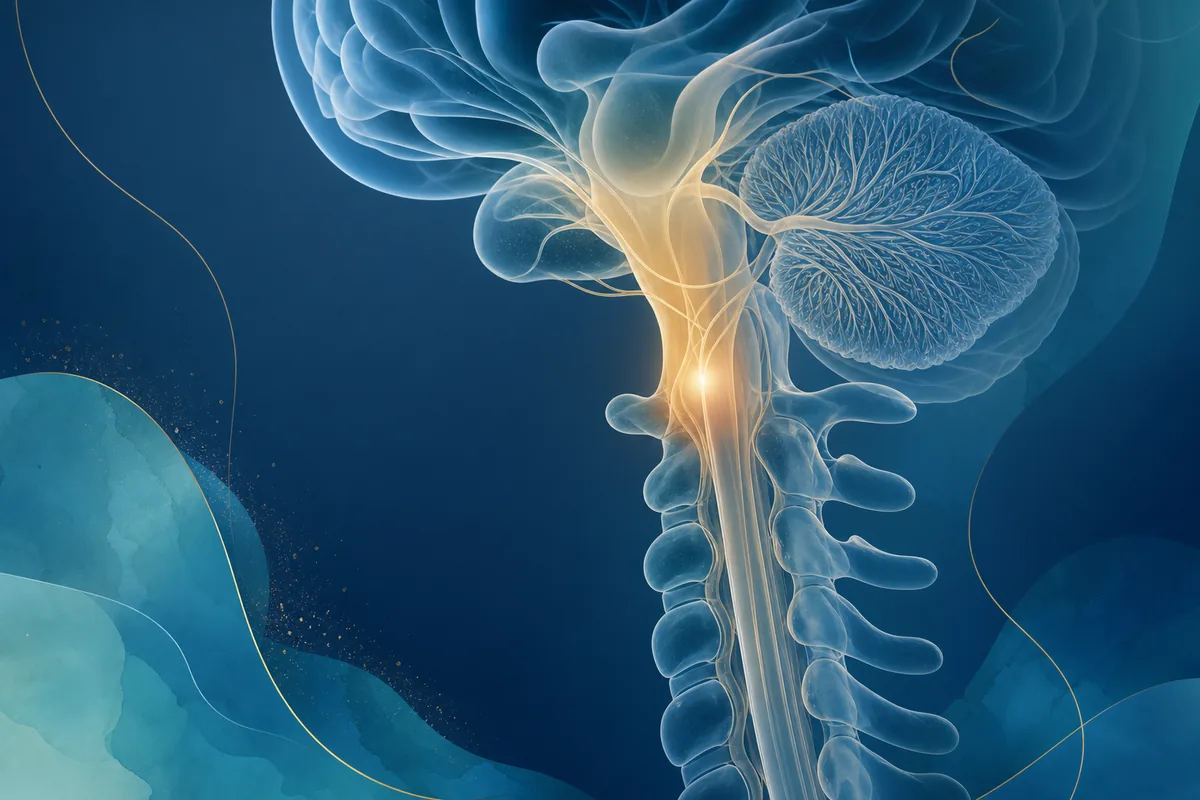
Spinal Cord Tumors: Why Early Specialist Evaluation Matters
A patient-friendly overview of spinal cord tumors, warning signs, imaging, and why careful neurosurgical planning is essential before treatment decisions.

Clear insights on neurosurgery and spine care, written to help patients and families understand diagnosis and treatment options.

Featured article
A patient-friendly overview of spinal cord tumors, warning signs, imaging, and why careful neurosurgical planning is essential before treatment decisions.

Healing stories can reassure patients, but they should be understood carefully: every spine condition needs individual assessment, imaging, and a treatment plan built around the patient.

A calm explanation of why rare pediatric brain and upper-neck masses require advanced imaging, specialist review, and careful discussion before treatment.

A practical guide to the types of symptoms and diagnoses commonly assessed in a neurosurgery and spine clinic.

A patient-focused article on what to look for when choosing a neurosurgeon for brain, nerve, or spine concerns.

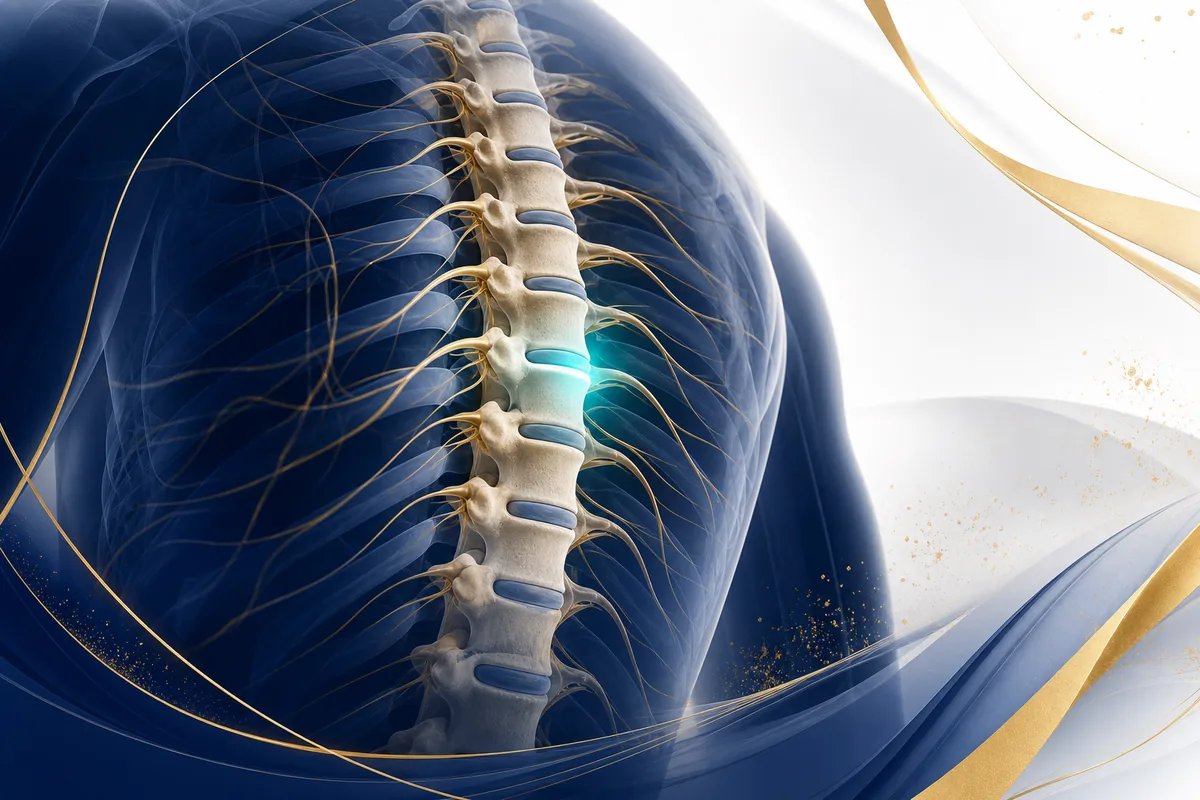
Thoracic disc problems are less common than lumbar or cervical disc disease, and surgical decisions require careful evaluation because of the spinal cord’s location.

Neurosurgery connects the brain, spinal cord, spine, and peripheral nerves. Understanding that connection helps patients know where to seek care.

What patients can expect when visiting a spine clinic: evaluation, imaging review, treatment options, and when surgery enters the conversation.

Difficulty walking long distances can be more than fatigue. In some adults, it points to spinal canal narrowing that is treatable with the right evaluation.

Some tumors near the base of the brain press on the visual pathways. When evaluated and operated on in time, vision may improve — sometimes dramatically.

Removing a spinal cord tumor is not only about taking out the mass — it is about preserving the surrounding cord, the nerves it carries, and the patient’s everyday function.

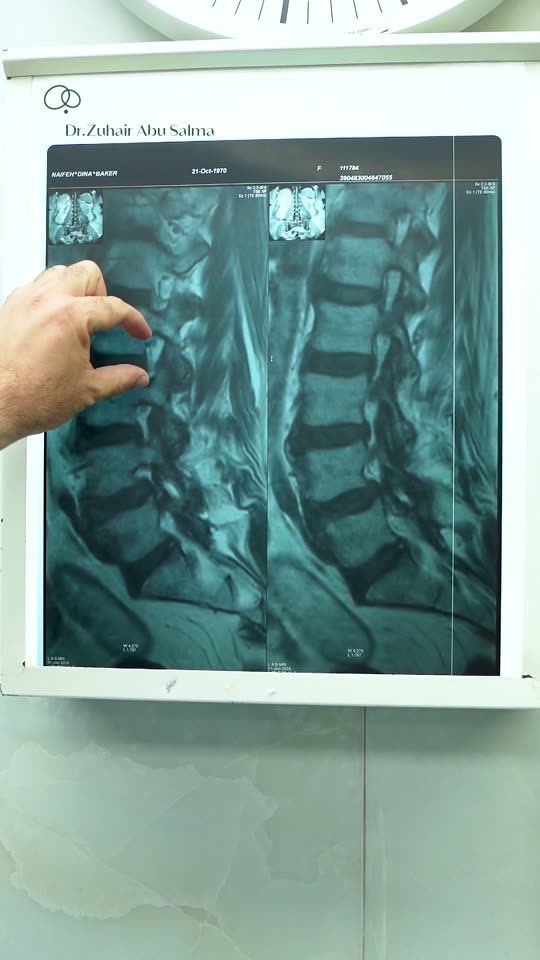
Imaging that shows only a small disc bulge can be reassuring — but if the pain is severe, the real cause may be a different part of the spine entirely.

Thoracic disc herniation is uncommon and challenging. A careful approach — including chest and neurosurgical teams — reduces risk to the spinal cord.

Between every pair of vertebrae sit two small joints. When they become inflamed, overgrown, or cystic, they can compress the nerve next to them and cause severe leg pain.

When canal narrowing is paired with a vertebra that has slipped forward, the plan combines opening the canal with putting the spine back into a stable alignment.

Finding a mass near the junction of the brain and the neck in an infant is frightening. The first job is not to rush — it is to understand what the imaging really shows.