Key points
Read this first if you are trying to decide whether this topic applies to your symptoms or reports.
- A common scenario in the clinic: a patient arrives with severe back pain that radiates down the leg, an MRI report mentions a small disc bulge, and a doctor says the disc is mild.
- The spinal canal carries more than discs.
- A careful evaluation uses both kinds of imaging.
What this means
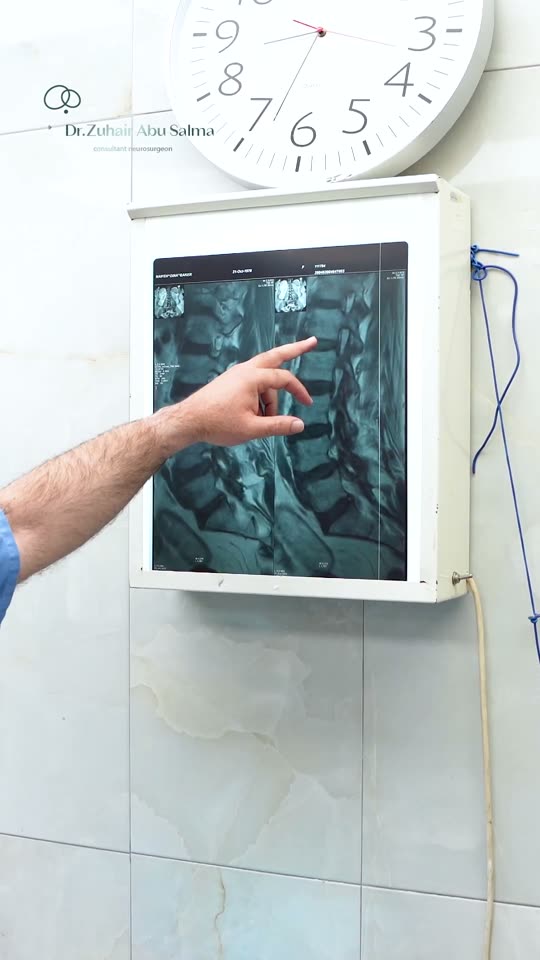
A common scenario in the clinic: a patient arrives with severe back pain that radiates down the leg, an MRI report mentions a small disc bulge, and a doctor says the disc is mild. The mismatch between mild imaging and severe pain often means the disc is not the whole story.
How it is evaluated
The spinal canal carries more than discs. Nerve exits can be narrowed by overgrown bone, by a thickened facet joint, or by a small cyst sitting where the nerve passes. Each of these can produce the same leg pain pattern that a herniated disc would — but the treatment differs.
How treatment is discussed
A careful evaluation uses both kinds of imaging. MRI is excellent for soft tissues, fluid, and the nerve itself. CT is better for the bone — showing erosion, bony overgrowth, and the exact shape of the facet joints. Combining both views often reveals the real source of the pain.
When to seek urgent care
Do not wait for a routine clinic appointment if symptoms are sudden, severe, or rapidly worsening.
- New or worsening weakness in an arm or leg.
- Loss of bladder or bowel control, or numbness around the saddle area.
- Severe headache, confusion, seizure, or sudden vision changes.
What to bring or send before the visit
Good preparation helps the clinic understand the case faster and avoids repeating tests when recent reports are already available.
- Recent MRI, CT, X-ray, or nerve test reports, plus the images if available.
- A short timeline: when symptoms started, what changed, and what makes them worse or better.
- Current medications, previous surgeries, and any medical conditions the doctor should know about.
Send a short description of symptoms and any recent images or reports.
Common patient questions
When should I discuss when back pain isn’t just a disc: other spinal sources worth looking for with a neurosurgeon?
If symptoms are persistent, worsening, linked to weakness or numbness, or if MRI/CT reports mention a spine, spinal cord, or nerve concern, a specialist review can help connect the symptoms with the images.
What should I send before requesting an appointment?
Send a short description of symptoms, when they started, and recent MRI or CT reports, plus any images if available.